Buy esafetyaware.eu ?
We are moving the project
esafetyaware.eu .
Are you interested in purchasing the domain
esafetyaware.eu ?
domain@kv-gmbh.de · 0541-91531010
Buy esafetyaware.eu ?
What are seamounts and mid-ocean ridges?
Seamounts are underwater mountains that rise from the ocean floor but do not reach the water's surface. They are often formed by volcanic activity and can be found in all of the world's oceans. Mid-ocean ridges, on the other hand, are underwater mountain ranges that form at the boundaries of tectonic plates. They are characterized by a series of parallel mountain chains and are the site of intense volcanic and seismic activity. Both seamounts and mid-ocean ridges play important roles in the geology and ecology of the ocean floor. **
What are mid-ocean ridges and how are they formed?
Mid-ocean ridges are underwater mountain ranges that form along the boundaries of tectonic plates. They are created by the process of seafloor spreading, where new oceanic crust is formed as magma rises from the mantle and solidifies at the mid-ocean ridges. As the new crust forms, it pushes the older crust away from the ridge, causing the seafloor to spread and the ocean basin to widen. This process is driven by the movement of the tectonic plates and the upwelling of magma from the Earth's mantle. **


Similar search terms for Mid-ocean
Top-Angebote
Products related to Mid-ocean:
-
No Mid-Century DeskA perfectly-sized desk, a detachable 360° adjustable overhead lamp, and all the tech accessibility you'd want (a power outlet, as well as USB and USB-C charging ports) packed into one product you'll love. This is the modern desk you've always wanted.254,49 $*Shipping: 0,00 $Secure redirect to the provider
-
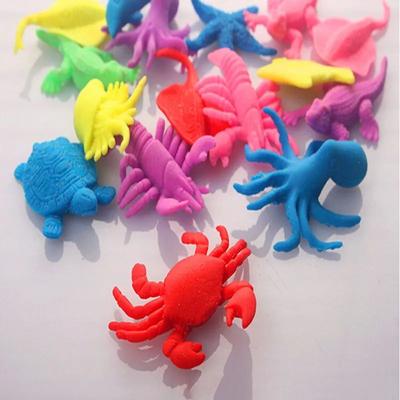
Uplift Treasures Growing Ocean Animal Toys Set Growing Ocean Animal Toys SetProduct Description Bring ocean creatures to life with this set of growing sea animal toys. Simply soak them in water and watch as they magically expand in size. These fun and educational toys spark curiosity, encourage learning about marine life,...43,97 $*Shipping: 0,00 $Secure redirect to the provider
-
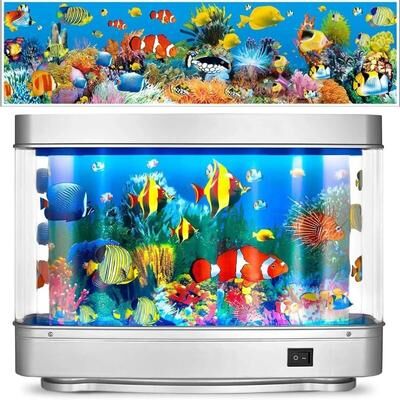
Uplift Essentials Virtual Motion Ocean Aquarium Lamp Virtual Motion Ocean Aquarium Lamp"Experience the tranquil beauty of the deep blue without the maintenance of a real tank with the Virtual Motion Ocean Aquarium Lamp. This creative decorative piece uses highdefinition ""moving picture"" technology to simulate a vibrant tropical reef,..."79,97 $*Shipping: 0,00 $Secure redirect to the provider
-
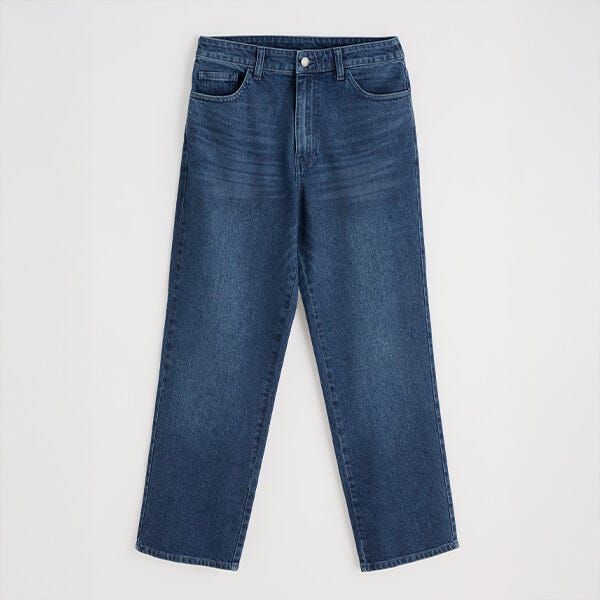
Seasalt Penwith Jeans Mid WashA contemporary take on a classic jean, the Seasalt Penwith Jeans in Mid Wash are mid-rise with a straight cut that grazes the ankle. Crafted from premium organic cotton, with just enough stretch to hold and support while standing the test of time. They pay special attention to the details with angled back pockets set higher and closer together to shape and lift, combining comfort and style for elevated everyday dressing. True outfit-making denim - this pair will be on rotation. Made from 99% Organic Cotton 1% Elastane. Machine wash at 30°C.35,00 £*Shipping: 3,50 £Secure redirect to the provider

-
What is the difference between the mid-ocean ridge and the driving forces of plate movement?
The mid-ocean ridge is a continuous underwater mountain range that runs through the center of the ocean basins, created by tectonic plates moving apart. On the other hand, the driving forces of plate movement are the mechanisms that cause the plates to move, such as mantle convection, slab pull, and ridge push. While the mid-ocean ridge is a physical feature on the Earth's surface resulting from plate movement, the driving forces are the underlying processes that cause the plates to interact and shift. **
-
What is the difference between the volcanoes of the mid-ocean ridge and the subduction zone?
The volcanoes of the mid-ocean ridge are formed by the upwelling of magma from the mantle at divergent plate boundaries, where tectonic plates are moving away from each other. These volcanoes are typically characterized by gentle slopes and frequent eruptions of basaltic lava. In contrast, the volcanoes of the subduction zone are formed at convergent plate boundaries, where one tectonic plate is forced beneath another. These volcanoes are often explosive and can produce a variety of lava types, including andesitic and rhyolitic. Additionally, subduction zone volcanoes are often associated with volcanic arcs and can be located on land or underwater. **
-
What is the difference between a deep-sea trench and a mid-ocean ridge? Are they the same thing?
Deep-sea trenches and mid-ocean ridges are both features of the ocean floor, but they are not the same thing. Deep-sea trenches are long, narrow depressions in the ocean floor that form at subduction zones, where one tectonic plate is being forced beneath another. In contrast, mid-ocean ridges are underwater mountain ranges formed by the upwelling of magma at divergent plate boundaries, where tectonic plates are moving apart. While both features are related to plate tectonics, they are formed by different geological processes and have different shapes and characteristics. **
-
Are these ocean planets?
No, these are not ocean planets. While they may have large amounts of water on their surfaces, they are not entirely covered in water like ocean planets such as Earth. These planets have a variety of surface features and may have different compositions and atmospheres that make them distinct from ocean planets. **

Why is the Atlantic Ocean rougher than the Indian and Pacific Ocean?
The Atlantic Ocean is generally rougher than the Indian and Pacific Oceans due to its location and weather patterns. The Atlantic Ocean is more exposed to strong winds and storms coming from the west, which can create larger waves and rougher conditions. Additionally, the Atlantic Ocean is narrower than the Indian and Pacific Oceans, which can amplify wave heights and make the water choppier. The combination of these factors contributes to the Atlantic Ocean being rougher compared to the other two oceans. **
Is it German spelling Mid-July or mid-July?
The correct spelling is "mid-July" with a lowercase "m" for "mid" and an uppercase "J" for "July." This is because "mid" is not a proper noun and does not need to be capitalized, while "July" is a proper noun and should be capitalized. This follows the standard rules of English capitalization. **
Top-Angebote
Products related to Mid-ocean:
-
No Mid-Century DeskA perfectly-sized desk, a detachable 360° adjustable overhead lamp, and all the tech accessibility you'd want (a power outlet, as well as USB and USB-C charging ports) packed into one product you'll love. This is the modern desk you've always wanted.254,49 $*Shipping: 0,00 $Secure redirect to the provider
-
Uplift Treasures Growing Ocean Animal Toys Set Growing Ocean Animal Toys SetProduct Description Bring ocean creatures to life with this set of growing sea animal toys. Simply soak them in water and watch as they magically expand in size. These fun and educational toys spark curiosity, encourage learning about marine life,...43,97 $*Shipping: 0,00 $Secure redirect to the provider
-
What are seamounts and mid-ocean ridges?
Seamounts are underwater mountains that rise from the ocean floor but do not reach the water's surface. They are often formed by volcanic activity and can be found in all of the world's oceans. Mid-ocean ridges, on the other hand, are underwater mountain ranges that form at the boundaries of tectonic plates. They are characterized by a series of parallel mountain chains and are the site of intense volcanic and seismic activity. Both seamounts and mid-ocean ridges play important roles in the geology and ecology of the ocean floor. **
-
What are mid-ocean ridges and how are they formed?
Mid-ocean ridges are underwater mountain ranges that form along the boundaries of tectonic plates. They are created by the process of seafloor spreading, where new oceanic crust is formed as magma rises from the mantle and solidifies at the mid-ocean ridges. As the new crust forms, it pushes the older crust away from the ridge, causing the seafloor to spread and the ocean basin to widen. This process is driven by the movement of the tectonic plates and the upwelling of magma from the Earth's mantle. **
-
What is the difference between the mid-ocean ridge and the driving forces of plate movement?
The mid-ocean ridge is a continuous underwater mountain range that runs through the center of the ocean basins, created by tectonic plates moving apart. On the other hand, the driving forces of plate movement are the mechanisms that cause the plates to move, such as mantle convection, slab pull, and ridge push. While the mid-ocean ridge is a physical feature on the Earth's surface resulting from plate movement, the driving forces are the underlying processes that cause the plates to interact and shift. **
-
What is the difference between the volcanoes of the mid-ocean ridge and the subduction zone?
The volcanoes of the mid-ocean ridge are formed by the upwelling of magma from the mantle at divergent plate boundaries, where tectonic plates are moving away from each other. These volcanoes are typically characterized by gentle slopes and frequent eruptions of basaltic lava. In contrast, the volcanoes of the subduction zone are formed at convergent plate boundaries, where one tectonic plate is forced beneath another. These volcanoes are often explosive and can produce a variety of lava types, including andesitic and rhyolitic. Additionally, subduction zone volcanoes are often associated with volcanic arcs and can be located on land or underwater. **
Similar search terms for Mid-ocean
-
Uplift Essentials Virtual Motion Ocean Aquarium Lamp Virtual Motion Ocean Aquarium Lamp"Experience the tranquil beauty of the deep blue without the maintenance of a real tank with the Virtual Motion Ocean Aquarium Lamp. This creative decorative piece uses highdefinition ""moving picture"" technology to simulate a vibrant tropical reef,..."79,97 $*Shipping: 0,00 $Secure redirect to the provider
-
Seasalt Penwith Jeans Mid WashA contemporary take on a classic jean, the Seasalt Penwith Jeans in Mid Wash are mid-rise with a straight cut that grazes the ankle. Crafted from premium organic cotton, with just enough stretch to hold and support while standing the test of time. They pay special attention to the details with angled back pockets set higher and closer together to shape and lift, combining comfort and style for elevated everyday dressing. True outfit-making denim - this pair will be on rotation. Made from 99% Organic Cotton 1% Elastane. Machine wash at 30°C.35,00 £*Shipping: 3,50 £Secure redirect to the provider
-
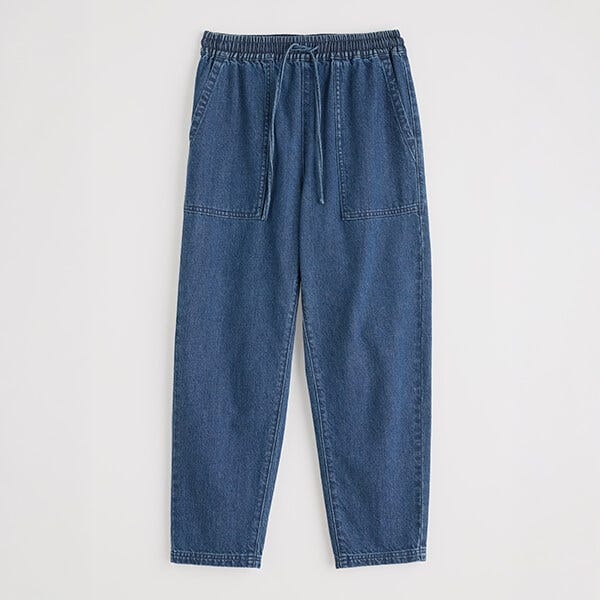
Seasalt Sholl Trousers Mid WashIntroducing the Seasalt Sholl Trousers in Mid Wash: where elevated style meets everyday comfort. Designed to drape beautifully with a gently tapered, slightly cropped leg and a pull-on elasticated waistband, finished with practical patch pockets. A pair you'll never want to take off. Made from 90% Organic Cotton 10% Linen. Machine washable.65,95 £*Shipping: 0,00 £Secure redirect to the provider
-
What is the difference between a deep-sea trench and a mid-ocean ridge? Are they the same thing?
Deep-sea trenches and mid-ocean ridges are both features of the ocean floor, but they are not the same thing. Deep-sea trenches are long, narrow depressions in the ocean floor that form at subduction zones, where one tectonic plate is being forced beneath another. In contrast, mid-ocean ridges are underwater mountain ranges formed by the upwelling of magma at divergent plate boundaries, where tectonic plates are moving apart. While both features are related to plate tectonics, they are formed by different geological processes and have different shapes and characteristics. **
-
Are these ocean planets?
No, these are not ocean planets. While they may have large amounts of water on their surfaces, they are not entirely covered in water like ocean planets such as Earth. These planets have a variety of surface features and may have different compositions and atmospheres that make them distinct from ocean planets. **
-
Why is the Atlantic Ocean rougher than the Indian and Pacific Ocean?
The Atlantic Ocean is generally rougher than the Indian and Pacific Oceans due to its location and weather patterns. The Atlantic Ocean is more exposed to strong winds and storms coming from the west, which can create larger waves and rougher conditions. Additionally, the Atlantic Ocean is narrower than the Indian and Pacific Oceans, which can amplify wave heights and make the water choppier. The combination of these factors contributes to the Atlantic Ocean being rougher compared to the other two oceans. **
-
Is it German spelling Mid-July or mid-July?
The correct spelling is "mid-July" with a lowercase "m" for "mid" and an uppercase "J" for "July." This is because "mid" is not a proper noun and does not need to be capitalized, while "July" is a proper noun and should be capitalized. This follows the standard rules of English capitalization. **
* All prices are inclusive of VAT and, if applicable, plus shipping costs. The offer information is based on the details provided by the respective shop and is updated through automated processes. Real-time updates do not occur, so deviations can occur in individual cases. ** Note: Parts of this content were created by AI.